When driving for DoorDash, stacked orders are one of the most common situations you’ll face on the road. They can appear suddenly, often when you’re already handling a delivery, and require a quick decision: accept or decline.
A stacked order simply means you are assigned two deliveries at once. While they can help optimize routes, they also require careful evaluation to ensure the trip makes sense for your workflow and location.
This guide explains how stacked orders work from a driver’s perspective, what to look for in seconds, and how to avoid inefficient or overly complex routes.
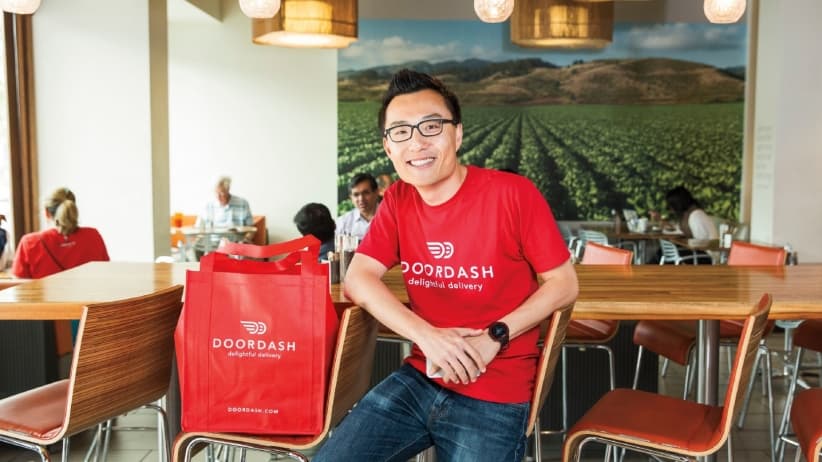
A stacked order occurs when two delivery requests are bundled into one driving route. As a driver, you may receive:
Two orders picked up from the same restaurant, delivered to different customers.
Two orders from different restaurants that must be picked up before completing deliveries.
You may also receive additional delivery requests while already active on the road, which can be added to your current route if accepted.
These combinations are designed to improve delivery flow by grouping nearby orders.
Stacked orders are created by the system to improve efficiency across the delivery network. For drivers, they typically appear when:
Understanding this helps drivers evaluate whether a stack is naturally efficient or unnecessarily complex.
Experienced drivers often decide within seconds whether a stacked order makes sense. Here’s what they typically check first:
Look at the full route from pickup to final drop-off.
Ask:
Simple, linear routes are usually easier to manage during active driving hours.
Check where both deliveries are going.
Good signs include:
When drop-offs are far apart or in opposite directions, the route becomes less efficient.
Consider how many restaurants are involved and their positioning.
Also consider:
While exact customer earnings details are not shown, drivers can still observe how orders are grouped and structured within the stack.
This helps in understanding:
Check the total estimated delivery time shown in the offer.
Evaluate:
Time awareness helps maintain smooth flow throughout your shift.
Stacks from a single restaurant are often easier to manage because:
However, drivers should still check:
Even simple stacks can become inefficient if routes are unbalanced.
Stacks involving multiple restaurants require more attention because:
These stacks tend to work best when:
Many drivers avoid stacked orders with:
These patterns often indicate inefficient use of time on the road.
Better-structured stacks often show:
When multiple positive signals appear together, the route is usually easier to manage.
Sometimes conditions shift after accepting a stacked order, such as delays or unexpected timing issues at pickup locations.
Drivers may adjust their route using available app options when necessary, but it’s important to maintain platform guidelines and ensure delivery completion remains consistent.
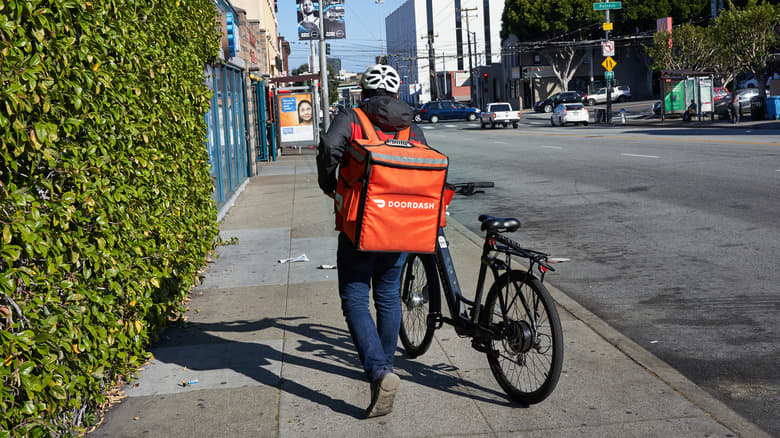
Stacked orders are a normal part of driving with DoorDash. They are designed to improve delivery efficiency, but they require drivers to make quick, informed decisions.
The key benefits of understanding them include:
Over time, recognizing patterns becomes instinctive.
Stacked orders are neither good nor bad by default they are simply part of the delivery system. For drivers, success comes from quickly understanding whether a route is simple, logical, and aligned with your current position.
The more experience you gain, the faster you’ll be able to evaluate offers and make confident decisions within seconds.






 Doordashdriver
  Nordstorm
  Amazon
  Walmart
  Booking com
  Paramount Plus
  Mack Weldon
  Lenovo